Understanding the cultural significance of casinos in modern society
The Evolution of Casinos in Society
Casinos have transformed significantly since their inception, evolving from small gambling dens to extravagant entertainment complexes. In the early days, gambling was often seen as a vice, relegated to the shadows of society. However, as laws changed and attitudes shifted, casinos began to emerge as mainstream entertainment venues. This evolution reflects broader societal changes, where gambling has come to be associated with leisure and excitement rather than mere illicit activity. Today, players can easily find places to enjoy their favorite games, such as payid pokies, which enhance their gaming experience.
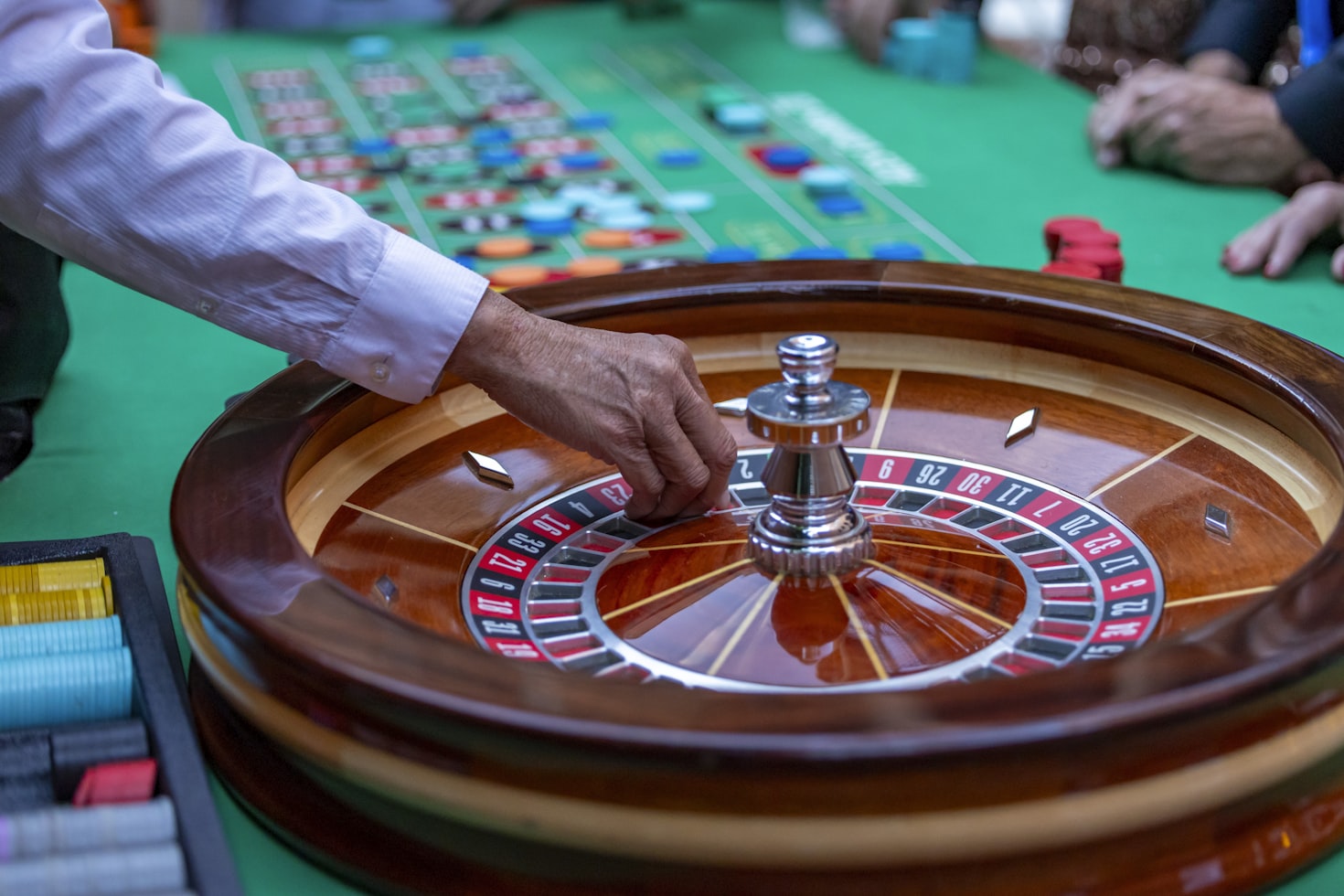
As society has progressed, so too have the expectations surrounding casinos. Modern establishments now emphasize not only gaming but also luxury, dining, and shows. This multi-faceted approach to entertainment has made casinos essential components of tourism, attracting visitors from various demographics. The cultural significance of casinos lies in their ability to adapt and integrate into the fabric of local and global economies, offering jobs and generating significant revenue.
Furthermore, the architectural design of casinos has shifted to reflect their status as cultural landmarks. Iconic structures, such as the Bellagio in Las Vegas or the Monte Carlo Casino in Monaco, not only serve functional purposes but also symbolize wealth, glamour, and excitement. These architectural marvels represent a fusion of art and commerce, enhancing their appeal and embedding them deeper into the cultural consciousness.
Casinos as Social Hubs
In modern society, casinos serve as vital social hubs where people from diverse backgrounds converge. This convergence fosters community and camaraderie, creating spaces where individuals can connect over shared experiences, whether it’s a thrilling game of poker or a night out enjoying live entertainment. The atmosphere of excitement and anticipation often draws people in, encouraging social interactions that transcend cultural and economic barriers.
The vibrant environment within casinos promotes inclusivity, where people feel comfortable engaging with one another. Events like themed parties, tournaments, and concerts further enhance this social aspect, attracting both regular visitors and newcomers. Such gatherings contribute to a sense of belonging and shared enjoyment, reinforcing the idea that casinos are not merely about gambling but also about creating lasting memories.
Moreover, the advent of online casinos has expanded the concept of social interaction in the gaming world. Virtual platforms now offer chat features and multiplayer games, allowing players to connect in real-time, regardless of their geographic location. This shift reflects the ongoing evolution of casinos and emphasizes their role in promoting social engagement in an increasingly digital world.
The Economic Impact of Casinos
The economic significance of casinos extends far beyond their gaming revenue. They contribute substantially to local and national economies through job creation, tourism, and tax revenues. In regions where casinos operate, local businesses often experience a boost as visitors flock to the area for entertainment, dining, and shopping. This symbiotic relationship highlights the integral role casinos play in economic development.
Additionally, casinos often invest in community programs and initiatives, further solidifying their place within society. Many establishments allocate a portion of their profits to charitable organizations, education, and public services. This philanthropic aspect enhances their reputation and fosters goodwill within the communities they inhabit, illustrating that casinos can be agents of positive change.
Furthermore, the regulatory framework surrounding casinos has evolved, ensuring that they operate responsibly and ethically. Laws governing gambling practices have become more robust, designed to protect consumers and promote fair play. This regulatory oversight reflects a growing awareness of the potential risks associated with gambling, emphasizing the need for responsible gaming practices within these entertainment venues.
Casinos and Cultural Identity
Casinos play a pivotal role in shaping cultural identity, especially in regions where they are a prominent feature of the local landscape. In many cases, casinos have become symbols of the cities they inhabit, representing not only entertainment but also economic prosperity and cultural vibrancy. The architectural styles and themes of casinos often reflect local history and traditions, creating a unique blend of culture and entertainment.
For example, the casino culture in Las Vegas draws heavily on themes of fantasy and excess, encapsulating the city’s reputation as a hub of entertainment and luxury. Conversely, casinos in places like Macau often incorporate elements of Chinese culture, showcasing the region’s rich heritage. This fusion of global and local influences within casino design and experience enhances their cultural significance, making them more than just gambling venues.
Moreover, casinos often host cultural events, festivals, and exhibitions that celebrate local traditions, further embedding themselves into the community. These initiatives not only attract tourists but also encourage local participation, fostering a sense of pride in cultural heritage. As a result, casinos become vital platforms for cultural expression and exchange, enriching the societal tapestry in which they operate.
The Future of Casinos in Modern Society
As technology continues to advance, the future of casinos is likely to undergo significant transformation. The rise of online gaming and mobile applications has already changed the landscape of gambling, making it more accessible and convenient for players. This shift presents both opportunities and challenges for traditional casinos, as they must adapt to meet the evolving preferences of consumers.
Innovative technologies, such as virtual reality and augmented reality, promise to revolutionize the gaming experience further. By creating immersive environments, these technologies can enhance player engagement and attract new audiences. This evolution underscores the importance of adaptability in the casino industry, emphasizing the need to stay relevant in a rapidly changing digital landscape.
Additionally, as social consciousness regarding responsible gambling grows, casinos will likely focus on implementing measures to promote safer gaming environments. Increased transparency and support for problem gamblers will become essential components of their operational strategies. By prioritizing responsible gaming, casinos can enhance their reputation and ensure their long-term sustainability in modern society.

Exploring Our Website
Our website serves as a comprehensive resource for understanding casinos and their cultural significance. We provide detailed insights into various aspects of the casino experience, from the architectural design to the social dynamics at play. Our aim is to foster a deeper appreciation of the role casinos hold in modern society while offering informative content that resonates with a wide audience.
In addition, we curate information about the latest trends in the casino industry, exploring how changes in technology and consumer preferences are shaping the future. Whether you are a casual visitor or an industry professional, our platform is designed to engage and educate. We invite you to explore the wealth of information available and join the conversation about the evolving role of casinos in our cultural landscape.

