The historical evolution of gambling A journey through time with Pin Up
Origins of Gambling in Ancient Civilizations
The roots of gambling can be traced back thousands of years to ancient civilizations such as the Chinese, Egyptians, and Romans. The earliest known forms of gambling appeared in China around 2300 BC, where rudimentary games of chance were played using rudimentary tiles and dice. Similarly, in ancient Egypt, various forms of betting were integral to social life, often linked to sports or major events, reflecting a deep cultural appreciation for luck and chance. As the industry developed, many enthusiasts turned to platforms like live sports betting Pin-Up for engaging experiences.

The Romans further popularized gambling through their elaborate gaming houses and betting practices. They engaged in various games, from dice to betting on gladiatorial contests, creating a vibrant gambling culture. This early foundation set the stage for the evolution of more organized gambling activities in later periods.
The Middle Ages and the Rise of Formal Gambling
The Middle Ages saw a transformation in gambling practices as it became more organized and regulated. The establishment of the first legal gambling houses, known as casinos, marked a significant shift. Pin Up and other venues provided a structured environment for gamblers and led to the creation of rules and regulations surrounding various games, paving the way for modern gambling.
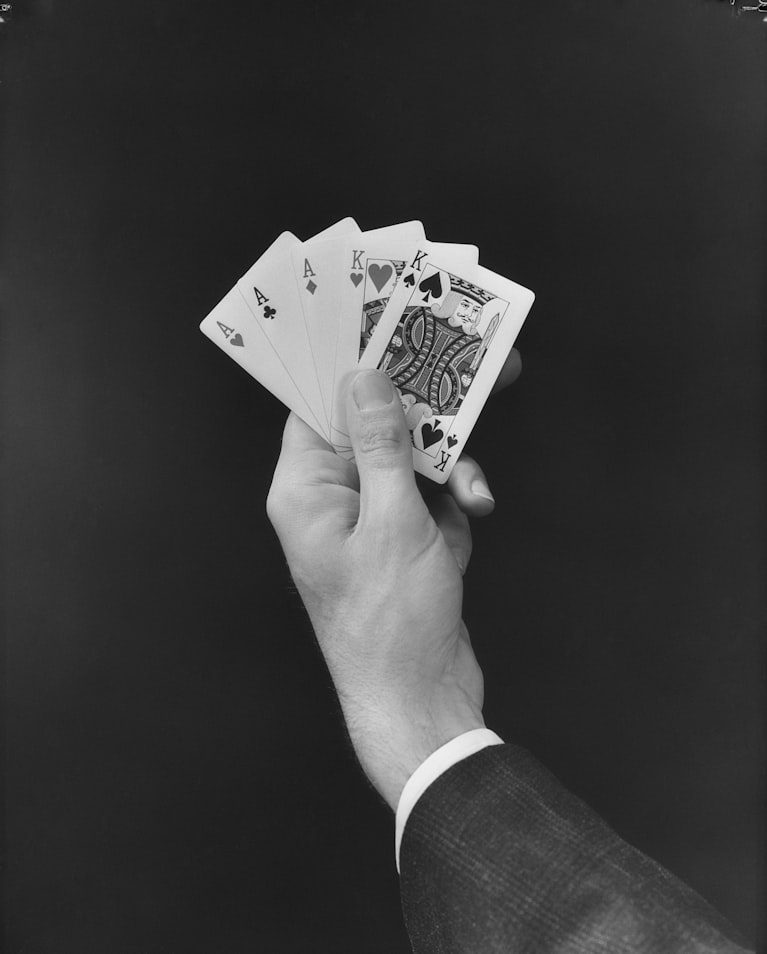
During this period, card games gained immense popularity, influencing social interactions and even leading to the development of gambling as a leisure activity among the nobility. This era established a foundation that would evolve into more sophisticated gambling practices in the Renaissance and beyond.
The Impact of the Renaissance on Gambling
The Renaissance brought about a revival of interest in arts, science, and leisure activities, which significantly impacted gambling. As trade expanded, so did the accessibility of gambling. The introduction of new games such as poker and baccarat reflected the evolving tastes and preferences of society. During this period, gambling was not only seen as a pastime but also as a means of socializing and engaging with others.
This era also witnessed the emergence of betting on horse racing and other sports, leading to the establishment of formal betting systems. The introduction of written rules and regulations further legitimized gambling and allowed it to flourish, setting the groundwork for the expansive gambling industry we know today.
Modern Gambling: Technology and Globalization
The 20th century marked a significant turning point in the history of gambling, particularly with the advent of technology. The introduction of electronic gaming machines and the development of online gambling platforms revolutionized the industry. Casinos began to incorporate advanced technology to enhance the gaming experience, making gambling more accessible than ever before.
Globalization has also played a crucial role in the expansion of gambling. With the rise of international tourism, destination casinos emerged, attracting millions of visitors and generating substantial revenue. This global network of gambling has created a diverse landscape, where traditional practices coexist with modern innovations, appealing to a wide array of gamblers.
Exploring the World of Pin Up
As you embark on your journey through the historical evolution of gambling, platforms like Pin Up provide a contemporary perspective. Pin Up not only offers a range of exciting games and betting options but also pays homage to the rich history of gambling. This platform stands as a bridge between traditional and modern gaming, allowing users to experience the thrill of gambling in a user-friendly environment.
At Pin Up, players can explore a vast array of games, from classic card games to the latest slot machines, all while benefiting from innovative features and promotions. This commitment to combining history with modernity ensures that users can enjoy a comprehensive gambling experience that respects the past while looking forward to the future.

