Exploring the multifaceted world of casinos a complete overview
The History and Evolution of Casinos
Casinos have a rich history dating back to the early days of civilization. The concept of gambling can be traced to ancient China, where rudimentary games were played using tiles. Over time, various cultures embraced gambling, leading to the establishment of formal gaming houses in Europe during the 17th century. The Venetian Casino, established in 1638, is one of the first recorded casinos, setting the stage for the luxurious establishments we recognize today. Players today are increasingly drawn to online casino games, seamlessly blending traditional gambling with modern technology.
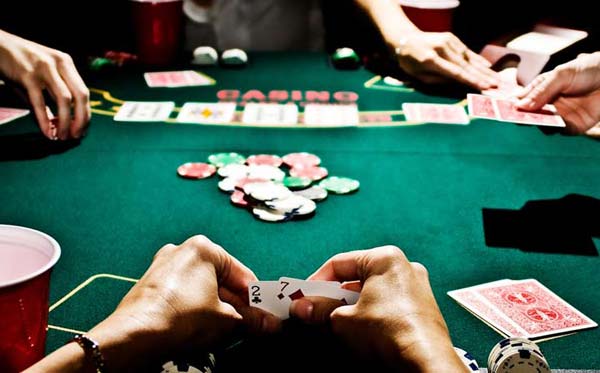
As societies evolved, so did the allure of casinos. The establishment of the Monte Carlo Casino in the 19th century marked a significant turning point, as it became a symbol of opulence and entertainment. It attracted not only the wealthy elite but also visitors from around the globe, fascinated by the thrill of games like roulette and blackjack. This period also saw the birth of modern casino games, which continue to draw millions of players worldwide.
The digital age has further transformed the casino landscape, with online gambling platforms emerging as a popular alternative to traditional brick-and-mortar establishments. In the late 1990s, the first online casinos appeared, revolutionizing the way people engage with gambling. Today, players can access their favorite games from the comfort of their homes, leading to unprecedented growth in the industry and reshaping the definition of what a casino can be.
The Psychology of Gambling
Understanding the psychology behind gambling is crucial for both players and operators. Many individuals are drawn to casinos due to the thrill of winning and the escape it provides from everyday life. This phenomenon is often linked to the concept of risk and reward, where the potential for a significant payout compels players to take chances. Additionally, the environment within casinos—bright lights, sounds, and scents—is meticulously designed to enhance excitement and prolong the gambling experience.
Theories of addiction also play a significant role in the psychology of gambling. Some individuals may develop a gambling disorder, characterized by an inability to control their gambling habits despite negative consequences. Awareness and education about responsible gaming practices have become paramount for both players and casino operators, aiming to create a balanced environment where fun can coexist with safety.
Casinos are also keen to utilize behavioral data to improve customer experiences. By analyzing gaming patterns, they tailor offers and promotions, making personalized recommendations that entice players to return. This data-driven approach not only enhances customer satisfaction but also ensures that casinos remain competitive in a rapidly evolving market.
Gambling in Popular Culture
Gambling has a prominent place in popular culture, influencing films, literature, music, and art. Movies like “Casino Royale” and “Rounders” have captivated audiences, showcasing the high-stakes world of gambling and the lives intertwined within it. These portrayals often glamorize the lifestyle associated with casinos, drawing viewers into a world of intrigue and suspense. However, they can also present a skewed image, as they often focus on the excitement without addressing the potential pitfalls of gambling.
In literature, authors such as Dostoevsky and Hemingway have explored the complex emotions associated with gambling, reflecting on themes of chance, fate, and personal loss. These narratives offer deeper insights into the motivations behind gambling, portraying it as both an exhilarating experience and a potential source of despair. This duality resonates with audiences, contributing to the ongoing fascination with the gambling world.
Music, too, has embraced gambling as a recurring theme. Songs like “Viva Las Vegas” celebrate the vibrant nightlife and allure of casinos, capturing the essence of what draws people to gamble. This intersection of gambling and the arts creates a cultural tapestry that enriches our understanding of the human condition, highlighting how the gamble can reflect broader societal themes and individual struggles.
The Economic Impact of Casinos
Casinos play a significant role in the economies of many regions, providing jobs, generating tax revenue, and boosting tourism. In places like Las Vegas and Atlantic City, casinos are the backbone of the local economy, attracting millions of visitors each year. The ripple effect of this influx can be seen in the hospitality, entertainment, and retail sectors, all thriving thanks to the gambling industry.
Moreover, the introduction of casinos often sparks investments in infrastructure and public services. The revenue generated from gambling taxes can be allocated to education, healthcare, and community development, improving the overall quality of life for residents. However, this economic boon also brings challenges, such as the potential for increased crime and social issues related to gambling addiction.
To mitigate these challenges, many regions have implemented responsible gambling initiatives and community outreach programs. These efforts aim to educate the public about the risks associated with gambling while providing resources for those in need. By fostering a balanced approach to casino operations, communities can enjoy the economic benefits while addressing the potential social costs.
Security and Safety in Casinos
The integrity of casinos hinges on robust security measures designed to protect both players and the establishment. From surveillance cameras strategically placed throughout the gaming floor to highly trained security personnel, casinos invest heavily in ensuring a safe environment. This commitment to security not only deters criminal activities but also instills confidence in patrons, encouraging them to enjoy their gaming experience without fear.
Additionally, data protection is paramount in the digital era, especially for online casinos. These platforms utilize sophisticated encryption technologies to safeguard sensitive information, ensuring players can gamble securely. Regulatory frameworks are in place to oversee these operations, ensuring that casinos adhere to strict guidelines that protect consumers and maintain fairness in gaming.
Furthermore, responsible gaming initiatives emphasize player education and support systems. Casinos often provide resources for those who may be struggling with gambling addiction, ensuring that help is accessible. By prioritizing safety and security, both physical and digital, casinos foster a positive environment where gaming can be enjoyed responsibly.

Website Security and User Experience
The importance of security cannot be overstated, particularly in online casinos where sensitive information is at stake. Websites that prioritize user authentication provide a level of assurance for players, ensuring that their data is protected from unauthorized access. This level of security is essential in maintaining trust between the casino and its patrons, fostering a sense of safety while they engage in gaming activities.
Moreover, the user experience is closely tied to the website’s design and functionality. A seamless interface that allows easy navigation can greatly enhance a player’s experience, making it more enjoyable and less stressful. This focus on user-friendly design not only encourages longer visits but also drives repeat traffic, essential for the success of any online casino.
Ultimately, a well-secured platform coupled with an excellent user experience creates an engaging environment for players. By prioritizing both aspects, casinos can ensure that they meet the needs of their customers, providing a safe and enjoyable gaming experience that encourages responsible play and long-term loyalty. In an ever-evolving landscape, these elements remain vital for success in the competitive world of online gaming.

